As an Amazon Associate, we earn from qualifying purchases. Some links may be affiliate links at no extra cost to you. Although our opinions are based on curated research, we haven't used these products. Articles generated with AI.

10 Best Building Integrated Solar Solutions for Sustainable Architecture

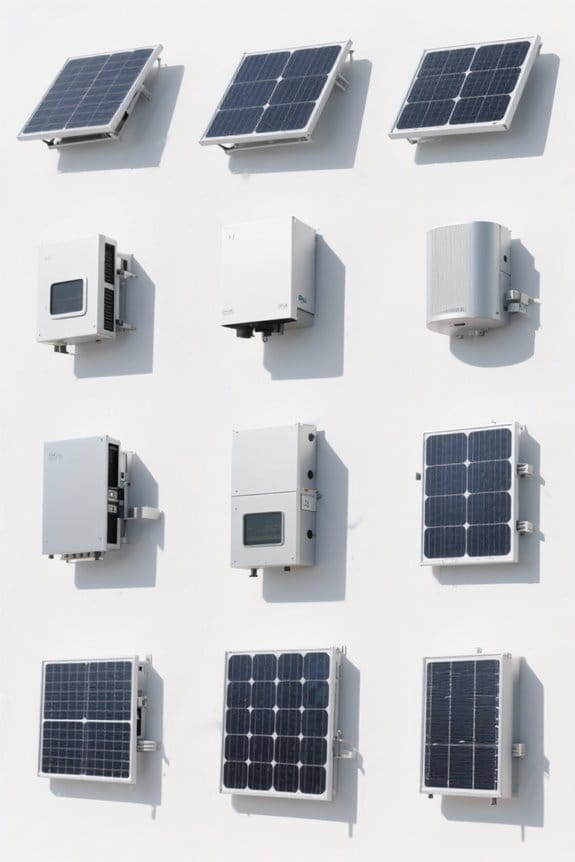
When looking for the best building-integrated solar solutions, consider options like solar roofing, photovoltaic windows, and solar façades. These systems allow buildings to generate electricity while maintaining an attractive appearance. For instance, solar shingles blend seamlessly with traditional roofing but are effective in energy production. Additionally, using lightweight materials for residential buildings versus heavier systems for commercial structures is essential for proper installation. Explore further to discover more practical applications and innovative designs in solar technology.
Key Takeaways
- Solar Windows and Glazing: Incorporates transparent photovoltaic materials to generate energy while maintaining natural light and aesthetic appeal in building designs.
- BIPV Façades: Utilizes solar panels as building cladding, enhancing aesthetics and energy generation, while improving overall energy efficiency.
- Solar Roof Tiles: Replaces traditional roofing materials with solar tiles, providing a dual function of protection and energy production in residential and commercial buildings.
- Integrated Solar Canopies: Offers shelter while generating electricity, ideal for parking lots or outdoor spaces, enhancing both functionality and sustainability.
- Solar Shading Structures: Acts as aesthetic elements to block direct sunlight, reducing cooling costs while generating renewable energy through integrated solar technology.
Building-Integrated Photovoltaic Systems (BIPVS)
Building-Integrated Photovoltaic Systems (BIPVS) provide an innovative way for architects and builders to incorporate renewable energy directly into the structure of a building. BIPVS replace conventional building materials, such as roofs and facades, with solar panels that generate electricity. When designing these systems, consider the building type—residential, commercial, or industrial—to tailor the installation effectively. For example, a residential roof might require a 3 kW system, while a large commercial project could need more than 50 kW. Planning for BIPVS involves not just installation but also monitoring performance to guarantee efficiency and economic viability over time.
Best For: Architects, builders, and energy contractors looking to integrate renewable energy solutions seamlessly into new or existing buildings.
Pros:
- BIPVS replace conventional building materials, enhancing energy efficiency while providing aesthetic appeal.
- Tailored installation options for various building types, ensuring optimal energy generation based on specific needs.
- Long-term economic viability through reduced energy costs and potential government incentives for renewable energy installations.
Cons:
- Higher upfront costs compared to traditional building materials due to advanced technology and installation requirements.
- Complexity in design and installation may require specialized knowledge and training for contractors.
- Performance may vary depending on geographic location and local weather conditions, potentially affecting energy generation efficiency.
Building-Integrated Solar Energy Systems
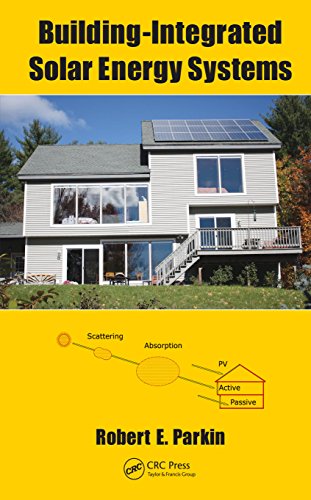
For architects and builders seeking to enhance energy efficiency in modern structures, building-integrated solar energy systems offer a compelling solution. These systems encompass active solar components like photovoltaics, which convert sunlight into energy, and parabolic concentrators that focus solar heat for power generation. You should also consider passive solar techniques, using design features to improve natural light and heating. Choosing the best materials is essential, as they can improve insulation and reduce energy consumption. Additionally, innovative energy storage methods, such as rock and water systems, play a significant role in maximizing energy use. Proper site assessment guarantees your installation is effective and efficient.
Best For: Architects and builders looking to enhance energy efficiency in modern structures through innovative solar energy solutions.
Pros:
- Integrates seamlessly with building design, enhancing aesthetics while improving energy efficiency.
- Utilizes both active and passive solar techniques for optimal energy generation and consumption.
- Offers innovative energy storage solutions, maximizing energy use during peak demand and minimizing waste.
Cons:
- Initial installation costs can be high, potentially deterring some builders and homeowners.
- Requires thorough site assessment to ensure optimal performance, which can complicate project timelines.
- Dependency on sun exposure can limit effectiveness in areas with frequent cloud cover or inclement weather.
Building-Integrated Photovoltaics BIPV Second Edition
Incorporating solar technology into architectural designs can greatly enhance energy efficiency, and this guide on Building-Integrated Photovoltaics (BIPV) introduces essential concepts for architects and builders looking to make sustainable choices. BIPV faces challenges, such as defining problems and understanding performance constraints. Your team can address these issues by developing skills that enhance execution. Effective strategies save time on BIPV tasks, while performance indicators help you track progress and align projects with customer needs. Collaboration among stakeholders is vital, facilitating smoother implementation. Use available resources, like self-assessment tools, to guarantee you’re accessing the latest insights and improving your BIPV projects continuously.
Best For: Architects and builders seeking to integrate solar technology for enhanced energy efficiency in their projects.
Pros:
- Provides essential concepts and strategies for effective BIPV implementation.
- Offers insights on skill development and collaboration to improve project outcomes.
- Includes self-assessment tools for continuous access to updated BIPV information.
Cons:
- May require significant upfront investment and planning efforts.
- Challenges in defining problems and constraints can hinder initial implementation.
- The necessity for ongoing training to keep pace with evolving BIPV technologies.
A Handbook of Sustainable Building Design and Engineering
A Handbook of Sustainable Building Design and Engineering serves as an essential resource for students and professionals engaged in disciplines like architecture, construction, and environmental design. This second edition covers important topics such as energy-efficient building design and renewable technologies. You’ll learn about essential concepts like passive house design, which emphasizes maintaining comfortable temperatures without relying heavily on heating or cooling systems. The book also highlights indoor air quality and thermal comfort, vital for healthy living spaces. Featuring case studies from various countries, it provides practical insights and tools for tackling sustainable development challenges effectively.
Best For: Students and professionals in building engineering, environmental design, construction, and architecture seeking a comprehensive guide on sustainable building practices.
Pros:
- Comprehensive coverage of energy-efficient building design and renewable technologies.
- Includes international and interdisciplinary case studies for practical insights.
- Emphasizes health and comfort aspects, such as indoor air quality and thermal comfort.
Cons:
- May be too technical for beginners without a background in the field.
- Specific case studies might not be applicable to all geographical locations.
- The focus on sustainability may limit discussion on traditional building practices.
Photovoltaic/Thermal Systems Integrated into Buildings (BIPV/T)

Photovoltaic/Thermal Systems Integrated into Buildings (BIPV/T) offer a unique solution for property owners and architects who seek to enhance energy efficiency while embracing renewable energy sources. These hybrid systems generate both electricity and thermal energy, maximizing resource use in a compact design. Historically, BIPV began in the 1970s but gained traction in the 1990s with products made for building integration. By incorporating passive solar design, you can store solar energy through architecture like walls and roofs. Current trends focus on improving efficiency and energy output, showcasing a sustainable future for building design that effectively utilizes solar technology.
Best For: Property owners and architects looking to enhance energy efficiency and integrate renewable energy sources into building designs.
Pros:
- Maximized Resource Use: BIPV/T systems efficiently generate both electricity and thermal energy from a single unit.
- Sustainable Design: Incorporating passive solar design principles enhances energy conservation and utilization in buildings.
- Market Potential: Increasing recognition of renewable energy benefits indicates strong future economic viability for integrated systems.
Cons:
- Higher Initial Costs: The installation of BIPV/T systems can be expensive compared to traditional building methods.
- Complexity in Integration: Designing BIPV systems requires careful planning and knowledge of both solar technology and building architecture.
- Space Limitations: Buildings must have suitable orientation and available surface area for effective installation of photovoltaic materials.
Implementing Building Integrated Photovoltaics Technology for Solar Architecture in Dhaka, Bangladesh
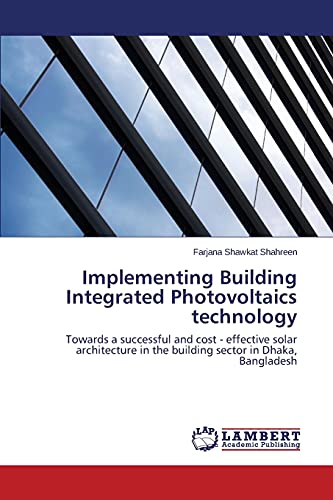
For architects and developers in Dhaka, Building Integrated Photovoltaics (BIPV) technology offers an innovative solution to the city’s pressing energy challenges. With a severe energy crisis, BIPV can greatly reduce reliance on traditional electricity sources. By integrating solar panels directly into building materials, BIPV generates electricity while enhancing the structure’s aesthetic appeal. This dual functionality contributes to energy efficiency, essential for Dhaka’s growing building sector. Collaboration among government bodies, architects, and engineers is important for successful implementation. Embracing BIPV paves the way for a sustainable architectural future, transforming Dhaka’s skyline while addressing energy consumption issues effectively.
Best For: Architects, developers, and building owners in Dhaka seeking sustainable solutions to the city’s energy crisis.
Pros:
- Enhanced Aesthetics: Integrates energy generation seamlessly into building design, improving visual appeal.
- Energy Independence: Reduces reliance on traditional energy sources, promoting sustainability in urban architecture.
- Cost-Effective Over Time: Although initial installation costs may be higher, BIPV can lead to long-term savings on energy bills.
Cons:
- High Upfront Costs: The initial investment for BIPV systems can be significant compared to traditional building materials.
- Technical Challenges: Requires specialized knowledge and expertise for proper installation and integration, which may be lacking in the local market.
- Performance Variability: Energy generation can be impacted by climatic conditions and building orientation, leading to inconsistent energy outputs.
The 2026-2031 World Outlook for Building Integrated Photovoltaics

Building Integrated Photovoltaics (BIPV) are excellent choices for architects and builders aiming to create sustainable structures. Between 2026 and 2031, experts predict significant growth in the BIPV market across over 190 countries. This report estimates potential industry earnings in millions of U.S. dollars, providing valuable insights into each country’s share. Utilizing econometric models, it measures latent demand by analyzing economic trends. BIPV refers to any solar technology that integrates directly into buildings, like solar windows or façades. Companies like Tesla and Canadian Solar lead this sector, offering innovative products tailored for modern architecture, supporting sustainability goals.
Best For: Architects and builders focused on sustainable construction and integrating renewable energy solutions into their projects.
Pros:
- Innovative Design: BIPV products, such as solar windows and façades, enhance the aesthetic appeal of buildings while providing energy generation.
- Sustainability Goals: Using BIPV contributes to reduced carbon footprints, aligning with global sustainability initiatives and regulations.
- Long-term Savings: Although initial costs may be higher, BIPV systems can lead to significant energy cost savings over time.
Cons:
- Higher Initial Investment: The upfront cost for BIPV installations can be significantly higher compared to traditional energy systems.
- Limited Market Familiarity: Some architects and builders may lack experience with BIPV technologies, leading to hesitance in adoption.
- Performance Variability: The efficiency of BIPV materials may vary based on environmental conditions, potentially affecting energy output.
The 2026-2031 World Outlook for Building Integrated Photovoltaics (BiPV) Crystalline Silicon (C-Si)

As demand for sustainable construction grows, architects and builders seeking eco-friendly design solutions often look towards Building Integrated Photovoltaics (BiPV) using Crystalline Silicon (C-Si). Between 2026 and 2031, BiPV C-Si products are forecasted to generate substantial industry earnings across over 190 countries. This includes well-known brands like Asahi Glass and BELECTRIC. The study uses econometric models to predict future trends, giving you a clear view of each country’s market share globally. This long-term perspective highlights the importance of understanding building-integrated solar solutions as crucial components in creating energy-efficient structures and advancing sustainable architecture practices.
Best For: Eco-conscious architects and builders looking to integrate sustainable energy solutions into their construction projects.
Pros:
- Energy efficiency: Utilizes renewable energy, reducing reliance on conventional power sources and lowering utility costs.
- Aesthetic integration: Offers a seamless design solution that enhances the architectural appeal of buildings while providing energy.
- Long-term investment: Potentially increases property value and offers financial incentives through energy savings and government rebates.
Cons:
- Higher upfront costs: Initial installation can be more expensive compared to traditional building materials.
- Complex installation: Requires specialized knowledge and expertise, potentially leading to longer project timelines.
- Variable performance: Energy output may fluctuate based on climatic conditions and building orientation.
Building Integrated Solar Technology (DETAIL Green Books)
Integrating solar technology into your building design is essential for architects and builders aiming to meet modern energy standards, especially in light of the EU’s 2021 mandate for solar energy integration. Understanding basic photovoltaics, which convert sunlight into electricity, and solar thermal systems, which capture heat, is vital. This book explores these concepts and offers strategies for their architectural integration. You’ll find guidance on overcoming technical challenges while ensuring aesthetic appeal. Additionally, consider economic and ecological factors, balancing costs and benefits. Learn to navigate building regulations, especially for historic sites, to maintain both integrity and compliance through thorough documentation and illustrations.
Best For: Architects and builders seeking to comply with modern energy regulations while integrating solar technology into their designs.
Pros:
- Comprehensive insights on photovoltaic and solar thermal technologies enhance understanding for effective implementation.
- Provides practical guidance for overcoming aesthetic and technical challenges in solar integration.
- Addresses economic and ecological implications, promoting sustainable construction practices.
Cons:
- May require additional costs for specialized materials and installation of solar technology.
- Compliance with regulations for historic buildings can complicate the integration process.
- Technical jargon may be challenging for those without a background in energy systems or architecture.
Solar Technologies for Buildings
When considering solar technologies for buildings, architects and builders seeking sustainable designs will find that these solutions offer valuable energy efficiencies and cost savings. Solar thermal
Best For: Architects and builders seeking sustainable and energy-efficient design solutions in their projects.
Pros:
- Significant energy savings through the use of solar technologies, reducing overall operational costs.
- Versatile applications that can be tailored to various building types and climates for optimized performance.
- Enhanced indoor comfort through effective temperature regulation and daylighting strategies.
Cons:
- High initial investment costs for installation and integration of solar systems can be a barrier for some projects.
- Maintenance requirements for solar systems may require additional resources and expertise.
- Space limitations on building sites may restrict the implementation of certain solar technologies.
Factors to Consider When Choosing Building Integrated Solar
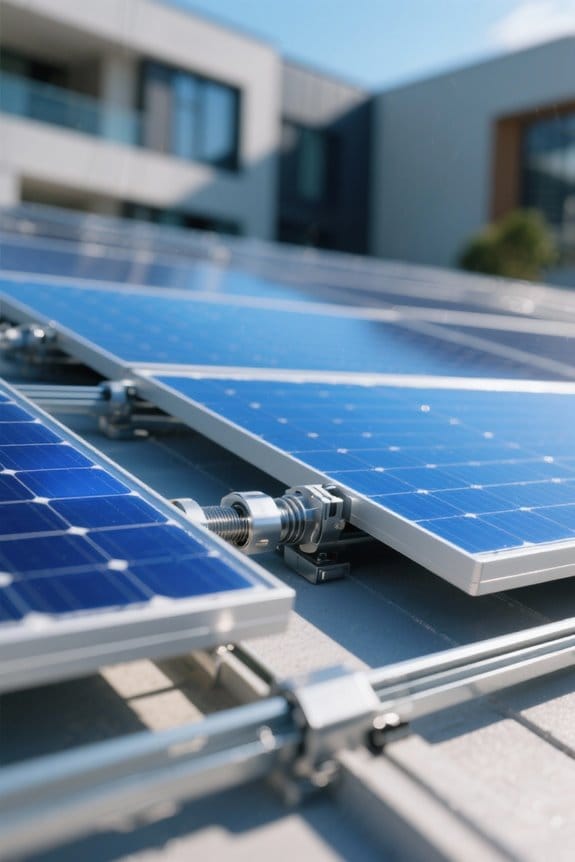
When choosing building integrated solar (BIS) solutions, it’s important to take into account factors like building type compatibility, energy efficiency goals, and aesthetic options. For instance, a flat roof may support solar panels better than a sloped one, while your energy goals could dictate whether you need high-efficiency modules. Additionally, pay attention to material durability and your overall budget, as these elements can greatly affect both performance and cost-effectiveness.
Building Type Compatibility
Choosing the right building integrated solar system (BIPV) requires careful consideration of several factors, depending on the type of building you have. For residential homes, lightweight and aesthetically pleasing materials often work best. In contrast, commercial buildings might support heavier systems due to their robust structure. Evaluating your building’s structural integrity guarantees the integration method is suitable; heavy systems need additional support. The orientation and roof slope are critical too; south-facing, sloped roofs maximize solar exposure, boosting efficiency. Additionally, consider local climate conditions, which affect energy production through sunlight hours and shading. Finally, verify compliance with local regulations and building codes to avoid potential issues. Each decision should cater specifically to your building’s unique characteristics to achieve ideal performance.
Energy Efficiency Goals
Establishing energy efficiency goals plays a crucial role in selecting the right building-integrated solar (BIPV) system for your project. Start by determining the specific energy demands of your building. An energy audit will help identify areas of energy loss, guiding your integration of solar solutions. You should also consider incorporating passive solar design principles, which can lower overall energy consumption. Setting measurable goals allows you to assess the performance of BIPV systems, ensuring they effectively contribute to reduced energy usage. Additionally, be aware of regulatory policies and building codes that dictate energy efficiency standards. Meeting these requirements is essential for the success of your integrated solar technologies, so understand them clearly during your planning phase.
Aesthetic Integration Options
Aesthetic integration of building-integrated solar (BIS) systems is essential for creating visually appealing structures that also harness renewable energy. You need to harmonize solar elements with architectural styles and surroundings to enhance visual appeal. Consider incorporating solar technology directly into the building envelope, like solar facades or roofing materials, which can seamlessly blend with existing materials. Using transparent or semi-transparent photovoltaic materials allows natural light into your space while adding to the design. Pay attention to the color, texture, and patterns of solar components, ensuring they align with your architectural vision. Successful aesthetic integration not only improves appearance but also fosters greater acceptance of solar technologies as integral to modern design, enhancing both form and function.
Material Durability Considerations
When integrating solar technology into building designs, selecting the right materials is essential. You should prioritize durability, as these materials need to withstand environmental factors like UV radiation, heavy winds, and temperature changes. For instance, tempered glass and high-quality polymers are great options due to their resistance to impact and corrosion. Regular testing guarantees these materials maintain their performance throughout the building’s lifespan. Furthermore, choosing long-lasting materials can minimize maintenance costs and reduce the need for replacements, enhancing the project’s economic viability. Finally, assess the lifecycle of your materials, from production to disposal, to better understand their sustainability and environmental effects. This all-encompassing approach will guarantee a resilient and effective solar integration for your architectural designs.
Budget and Cost Analysis
Making a sound financial decision regarding building integrated solar (BIS) systems involves a detailed budget and cost analysis. First, evaluate the initial installation costs against potential long-term savings on energy bills, which can result in substantial reductions over time. Don’t forget to assess budget constraints, as these will influence your choice of solar technology. Explore project financing options like solar loans, leases, or power purchase agreements (PPAs) to fund your installation. Also, consider ongoing maintenance and operational costs; these can greatly affect the total cost of ownership. Finally, research available incentives, rebates, and tax credits, as these can lower upfront costs considerably, helping you make an informed, cost-effective choice for your BIS investment.
Installation and Maintenance Needs
To guarantee successful installation and maintenance of building-integrated solar (BIS) systems, careful planning is vital. You need to evaluate the architectural elements; compatibility influences how complex the installation will be. Regular maintenance is essential. Cleaning and inspecting your building-integrated photovoltaic (BIPV) systems periodically prevents dirt build-up and keeps performance high. Assess the accessibility of installation sites too; taller or intricate structures might need additional safety measures, increasing labor costs. Local climate greatly affects installation and maintenance as well, so evaluate shading and roof orientation. Finally, verify that your installers are trained in both electrical and structural components, as this knowledge directly impacts the successful operation of BIPV systems. Planning will save you time and money in the long run.
Frequently Asked Questions
How Do BIPV Systems Affect Building Aesthetics?
BIPV systems, or Building-Integrated Photovoltaics, greatly improve building aesthetics. These solar installations blend seamlessly into roofs and facades, replacing traditional materials. For instance, they can come in various colors and shapes to match a building’s design. By installing BIPV, you enhance your building’s visual appeal while generating energy. Incorporating these systems can boost property value, as they combine innovative technology with modern architecture, making structures more attractive and environmentally friendly.
What Is the Lifespan of Building-Integrated Solar Solutions?
Building-integrated solar solutions typically last around 25 to 30 years. For example, photovoltaic glass can provide energy while enhancing aesthetics, acting not just as a power source but also as a building material. Regular maintenance can extend their lifespan, ensuring peak performance. With innovations constantly improving durability, these systems offer a reliable long-term investment for any structure. Understanding this longevity helps you appreciate the value added to your architecture and energy needs.
Are There Government Incentives for BIPV Installations?
Yes, there are government incentives for building-integrated photovoltaic (BIPV) installations. You can benefit from federal tax credits, which can cover up to 26% of the installation costs until 2023. Some states also offer additional rebates, sometimes exceeding $5,000. Local incentives may include property tax exemptions or sales tax waivers. Research your area’s programs to maximize savings. These incentives make BIPV an attractive option for both energy efficiency and financial investment.
How Does Climate Impact BIPV Efficiency?
Climate greatly impacts Building Integrated Photovoltaics (BIPV) efficiency. For instance, high temperatures can reduce a panel’s energy output by about 0.4% for every degree Celsius above 25°C. Additionally, shading from trees or buildings can diminish efficiency by up to 80%. Humidity and precipitation also play key roles; cloudy days can lower sunlight exposure, reducing energy production. Understanding these factors helps you optimize BIPV installations for maximum performance in your specific climate.
What Is the Average Cost of Installing BIPV Systems?
The average cost of installing Building Integrated Photovoltaic (BIPV) systems ranges from $15,000 to $30,000 for residential projects. This price depends on factors like building size and solar panel type. For instance, integrative solar shingles might cost more than traditional panels. While initial expenses can be high, remember they can lead to energy savings over time. Additionally, some states offer rebates, which can help offset overall costs, making BIPV more accessible.


