


When solar system output drops, several factors may contribute, including shading, dirt, and inverter malfunctions. First, check for debris on the panels and clean them, as this can boost energy production by up to 20%. Examine the inverter for errors; it’s essential for efficiency. Seasonal changes can also affect output. Regular maintenance, such as inspections and trims of nearby trees, helps maintain performance. For ongoing issues, seek professional advice to explore tailored solutions for improvement.
Key Takeaways
- Regularly monitor your solar system’s performance using tracking software to identify drops in energy output and analyze potential causes.
- Check for debris, dust, or shading from trees and nearby structures that may obstruct sunlight from reaching your solar panels.
- Ensure your inverter is functioning properly, as malfunctions can greatly reduce energy production; perform diagnostics regularly.
- Schedule routine cleaning and maintenance of your solar panels to maximize efficiency and prolong the system’s lifespan.
- Consult with professionals for tailored solutions, such as upgrading components, adding panels, or installing tracking systems for optimal performance.
Common Causes of Solar Output Drops
Solar output can be influenced by a variety of factors that are important for homeowners to understand. Reduced output often stems from shading, particularly from tree shadows or new constructions, which block sunlight from reaching the panels. Additionally, debris such as dust and leaves can create solar panel issues, hindering solar energy production. Performance issues may also arise from an improper angle of fixed panels, reducing efficiency at certain times of the day. Inverter load problems, including configuration errors and malfunctions, can further affect energy output, necessitating checks and potential resets. Ultimately, degradation occurs naturally over time, with solar panels losing about 0.5% to 1% of efficiency annually, contributing to lower performance if not addressed promptly. It is also crucial to assess energy usage to determine the best solution for optimizing solar system performance, as it helps identify any discrepancies between expected and actual energy outputs.
Monitoring Your Solar System Performance
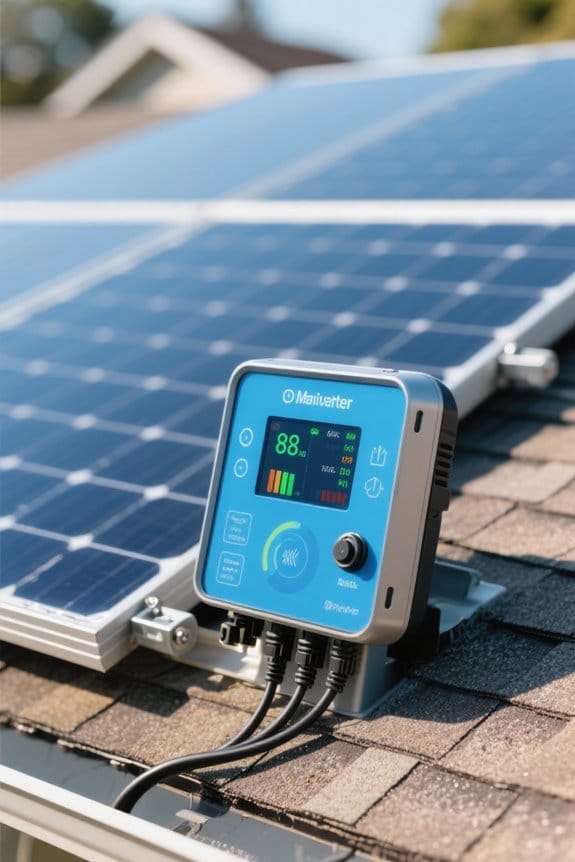
How can homeowners guarantee their solar systems are performing at peak levels? Regular monitoring is essential for maintaining solar panel efficiency and maximizing power output. Homeowners should utilize monitoring systems or mobile applications to track energy production consistently. Comparing current performance metrics with historical data from previous years allows for identifying trends and anomalies. It is vital to check the solar system’s real-time data against energy consumption, especially during peak hours, to assess reliance on grid energy. Homeowners should also evaluate external factors, such as weather conditions and debris on panels, which can impact solar generation. Scheduled maintenance and cleaning help optimize performance. Homeowners might consider incorporating outdoor solar lanterns for additional eco-friendly lighting solutions that can complement their solar system’s output. If issues persist, homeowners are encouraged to contact their solar installation company for assistance.
Investigating Physical Obstructions

When evaluating a solar energy system’s output, identifying potential physical obstructions is vital. Solar panels require unobstructed sunlight for maximum energy output. Regularly inspecting them for dirt, debris, or leaves that block sunlight can help maintain efficiency. Nearby trees or structures can cast shadows on the panels, leading to production drops, particularly during specific times of the day. While cloudy weather can also reduce efficiency, it’s important to differentiate between weather-related issues and physical obstructions affecting performance. Scheduling routine cleanings of the solar panels guarantees they remain clear and functional over time. Additionally, using eco-friendly solutions such as Shabebe or Bare Ground ensures safety for users and surrounding environments while maintaining panel efficiency. Moreover, utilizing monitoring systems can alert users to discrepancies in energy production, prompting a thorough check for any barriers hindering solar power systems’ output.
Analyzing Inverter Functionality
Evaluating inverter functionality is essential for maintaining a solar energy system’s efficiency and productivity. Inverters convert direct current (DC) from solar panels into alternating current (AC) for home use, making their performance critical. A malfunctioning inverter can greatly decrease energy production, necessitating a reset or replacement. Many modern inverters feature built-in diagnostic tools that offer real-time performance data. If an inverter is improperly configured, it may lead to output reduction, highlighting the importance of proper installation and regular checks. Understanding warranty terms, which typically last between 5 to 10 years, is fundamental should functionality issues arise. By closely monitoring inverter performance, owners can quickly address drops in energy and maintain optimum system productivity. It’s also beneficial to consider advanced charge controller models that provide high tracking efficiency and comprehensive safety features, as they can further enhance the overall performance of your solar power system.
Understanding Seasonal Variations
Understanding seasonal variations is important for solar panel owners aiming to optimize their energy output. During winter months, shorter daylight hours result in reduced solar panel production compared to summer. The angle of sunlight also changes, impacting efficiency; fixed-angle photovoltaic (PV) panels may perform poorly in low angles typical of fall and winter. Additionally, cloud cover can disrupt energy output, especially in regions affected by seasonal rain. Curiously, lower temperatures can enhance panel performance, contradicting common assumptions. To effectively manage energy output, owners should monitor seasonal output trends and adjust expectations based on historical data. Understanding these factors will empower solar panel owners to anticipate and respond to the natural fluctuations in solar energy production throughout the year. Lithium batteries can store energy efficiently during varying seasons, offering maintenance-free operation and long-term reliability.
The Importance of Regular Maintenance
Regular maintenance of solar panels is crucial for maximizing their energy output and prolonging their operational lifespan. Engaging in regular maintenance helps guarantee solar panel performance remains high by identifying issues before they lead to significant output drops. Cleaning solar panels regularly can remove dust and debris, improving sunlight exposure and potentially increasing energy generation by up to 20%. In addition, routine inspection to tighten loose connections prevents malfunctions that can affect system performance. Many manufacturers suggest arranging professional maintenance checks at least once a year to address any degradation or damage. Furthermore, utilizing a monitoring system with dedicated apps allows homeowners to track production levels and quickly detect any maintenance-related issues, assuring ideal functionality and efficiency. Installing solar panel critter guards can prevent damage from birds and small animals, thereby reducing the risk of costly repairs and maintaining the overall system efficiency.
When to Consult a Professional
When a noticeable decline in solar system output occurs, especially if no obvious external factors like weather changes explain it, seeking professional assistance becomes an essential step. A sudden drop in energy production may indicate underlying system issues, such as inverter malfunctions or shading caused by trees and buildings. Professionals can conduct a thorough inspection to identify these problems and other performance issues. Regular maintenance checks by qualified technicians can help catch any discrepancies early, maintaining peak efficiency. If initial troubleshooting measures, like resetting inverter settings or cleaning panels, do not improve solar panel output, reaching out for professional help is advisable. Additionally, warranty coverage often includes professional diagnosis and repairs, clarifying options for addressing drops in output. For optimal energy solutions, your system might benefit from a durable design known for its longevity, which is a feature of certain UPS models like GOLDENMATE.
Frequently Asked Questions
Why Is My Solar Output so Low?
Solar output can be low due to various factors including shading effects, inverter issues, suboptimal panel orientation, dirt buildup, adverse weather conditions, temperature fluctuations, age degradation, and inadequate maintenance practices or installation quality impacting overall efficiency.
What Is the 33% Rule in Solar Panels?
Biting the bullet, the 33% Rule advises homeowners to limit solar system output to a third of total energy needs. This guideline supports solar panel maintenance, module orientation strategies, and effective climate impact concerns for optimized efficiency.
What Happens When Solar Output Is Reduced?
When solar output is reduced, system maintenance issues, shading effects, and weather impacts may arise, potentially leading to grid connection reliance. Degradation of solar panels, inverter performance, and battery efficiency also contribute to diminished energy consumption.
How to Boost Solar Panel Output?
Like a gardener tending to plants, boosting solar panel output requires diligent panel maintenance, ideal positioning, and regular cleaning techniques. Upgrading systems, monitoring inverter health, and addressing shading issues can elevate performance, enhanced further by solar incentives.


