


Before installing solar panels, it’s crucial to evaluate the local climate. Weather factors like cloudy days can reduce performance by 10-25%, while high temperatures decrease efficiency by 0.5% for every degree above 25°C (77°F). Snow can block sunlight, so proper installation angles are important to minimize accumulation. Understanding sunlight exposure, wind conditions, and maintenance needs is essential for optimizing energy production. Learning these aspects can greatly enhance the overall effectiveness of solar energy systems.
Key Takeaways
- Evaluate how frequent cloud cover and fog impact solar panel efficiency in your area, potentially reducing it by 10-50%.
- Consider local temperature ranges, as exceeding 25°C can diminish voltage output and efficiency.
- Assess potential shading from nearby trees and structures to ensure panels receive sufficient direct sunlight daily.
- Monitor snowfall patterns, as snow can block sunlight and affect efficiency; optimize panel installation angles to mitigate snow accumulation.
- Understand local environmental conditions, such as humidity, which may necessitate more frequent cleaning to maintain panel performance.
Does Weather Affect Solar Panel Performance?
How does weather influence the performance of solar panels? Weather plays a critical role in solar panel efficiency, as performance can drop by 10-25% on cloudy days. In regions where high temperatures exceed 25°C (77°F), solar panels may suffer reduced voltage output. Proper positioning and shading become essential strategies. Gentle winds can improve efficiency by cooling panels, whereas strong winds may threaten structural integrity, necessitating durable mounting systems adjusted for local climate conditions. Snow can both hinder performance through accumulation and enhance energy capture via albedo effect, which reflects sunlight. Additionally, frequent fog reduces solar efficiency to around 50% of ideal levels, underscoring the need for advanced technologies to combat low-light issues in varying climates. Durability and Protection Features such as IP68 waterproof ratings and corrosion-resistant frames are essential in ensuring solar panels withstand extreme weather conditions, thus maintaining efficiency and longevity.
How Does Sunlight Impact Solar Panels?
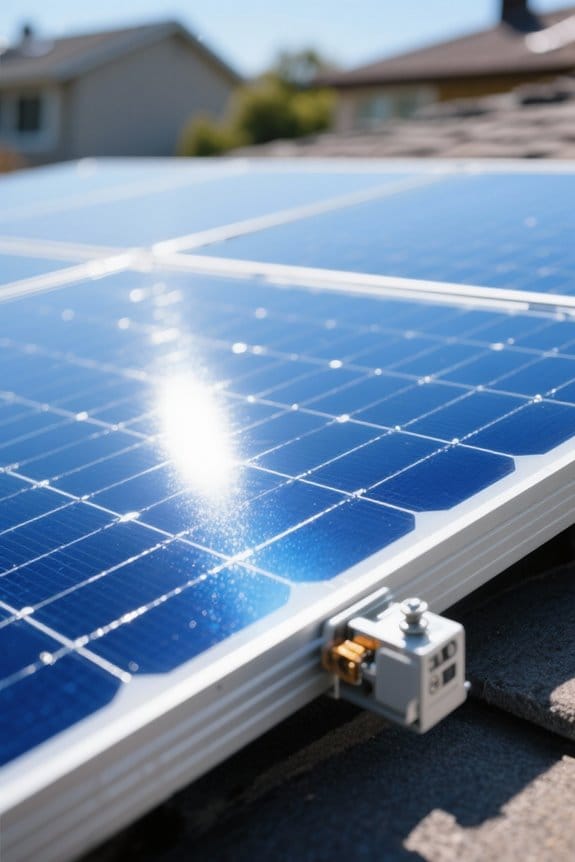
Sunlight is the primary energy source for solar panels, directly impacting their ability to generate electricity. Solar panels typically require at least five hours of direct sunlight daily to achieve peak energy production. The efficiency of photovoltaic cells, which convert sunlight into electricity, peaks around 25°C (77°F). At higher temperatures, the voltage output can decrease, affecting overall performance. Weather conditions greatly influence sunlight availability; regions with consistent, clear skies are more suitable for solar energy generation. In overcast weather, solar panels can operate at about 50% of their peak efficiency. Additionally, proper panel orientation and angle adjustments can enhance sunlight capture, maximizing energy production even in less-than-ideal local climates. When installing solar systems, it’s crucial to consider battery management systems for ensuring the longevity and safety of the energy storage devices.
The Importance of Local Climate for Solar Installation

Understanding the local climate is essential for effective solar panel installation, as various environmental factors can greatly influence energy production. Regions with consistent sunlight enable solar panels to perform at their best, maximizing energy production. Conversely, frequent cloud cover can considerably reduce efficiency. Additionally, high temperatures above 25°C (77°F) decrease panel performance, underscoring the importance of monitoring temperature. Humidity and precipitation can impact energy absorption, necessitating more frequent cleaning in humid areas. While snow may block sunlight, its reflective properties can enhance output in certain conditions, stressing the need for appropriate panel angles. Recognizing these local climate conditions allows for tailored installation strategies, ensuring maximum solar panel efficiency and effective energy production over time. A key factor in choosing solar panels is their weather-resistant designs, which ensure durability and performance across varying environmental conditions.
Understanding Solar Panel Efficiency vs. Temperature
Temperature plays a critical role in determining the efficiency of solar panels. As temperatures exceed 25°C (77°F), solar panel efficiency declines, typically losing around 0.5% per degree Celsius due to temperature coefficients. In regions with high temperatures, energy losses can be substantial, particularly during the summer months. To counteract these effects, proper positioning of solar panels to maximize airflow is vital. Adequate space around panels allows for better cooling and reduces heat buildup. Additionally, shading panels during peak heat hours can effectively maintain efficiency, optimizing energy production. Overall, understanding how temperature impacts solar panel efficiency is essential for making informed decisions about installation, especially in hot climates where high temperatures are common. It is also crucial to select weather-resistant cables to ensure longevity and efficiency of the solar panel system in extreme conditions.
Effects of Wind on Solar Panel Performance
While many focus on sunlight as the primary factor influencing solar panel performance, wind also plays a significant role in this equation. Gentle winds can enhance efficiency by cooling solar panels, which improves energy generation. Specifically, moderate airflow helps to prevent overheating, a fundamental issue in hot climates where excessive heat can lower efficiency. However, strong winds can threaten the structural integrity of solar installations. In regions with high wind speeds, a robust mounting system is essential to secure solar panels and prevent damage. Furthermore, it is essential to take into account local building codes, ensuring that installations can withstand harsh conditions. Consequently, understanding the effects of wind is imperative for optimizing solar panel performance. Additionally, incorporating intelligent water shortage sensors in solar power systems can prevent potential damage by ensuring efficient operation, especially in water pumping applications.
How Humidity Influences Solar Energy Production
Humidity plays a significant role in solar energy production, impacting the efficiency of solar panels in various ways. High humidity levels can lead to dirt buildup on panels, reducing their efficiency if not cleaned regularly. In humid conditions, increased cloud cover can decrease solar energy production by 10-25% compared to clear days, limiting potential energy generation. Conversely, in some cases, humidity can enhance the albedo effect, allowing reflected sunlight to increase energy absorption. Additionally, photovoltaic cells may operate at around 50% of their ideal efficiency during foggy weather, as light becomes scattered. However, advancements in modern solar technologies have improved performance in low-light and overcast conditions, supporting better energy generation despite these challenges associated with humidity. It’s important to consider charging efficiency technology when selecting solar regulators, as it can significantly impact overall system performance under variable weather conditions.
The Impact of Fog on Solar Panel Efficiency
Fog greatly affects solar panel efficiency, often reducing their output to about 50% of ideal performance. This reduction occurs because fog scatters sunlight, impacting the ability of solar panels to absorb energy. In areas with frequent fog cover, larger solar arrays may become necessary to compensate for this decrease in sunlight absorption. However, advancements in modern solar technology have improved performance in low-light conditions, enabling better energy generation despite foggy weather. Strategic panel placement and ideal angles can enhance effectiveness by maximizing light capture. Understanding local climate patterns, particularly fog occurrences, is vital for accurately evaluating potential energy production from solar panels in affected regions. This knowledge guides effective solar energy planning. Additionally, 100Ah LiFePO4 batteries are ideal for storing energy generated by solar panels, especially in off-grid applications where reliable energy storage is crucial.
Do Solar Panels Work in Snowy Conditions?
How do solar panels perform in snowy conditions? Solar panels can generate electricity even amidst snowy conditions; however, efficiency may diminish if snow blocks sunlight. The albedo effect, where snow reflects sunlight, can enhance panel efficiency when they are partially exposed. Most solar panels are engineered to shed snow naturally due to their sloped installation and dark surfaces, which accelerate melting. Typically, energy production loss related to snow is minimal, averaging only 2-5% annually for installations in snowy regions. Additionally, proper installation angles can reduce snow accumulation, ensuring better energy production during winter months. This illustrates that with thoughtful planning, solar panels can remain effective despite challenging winter weather conditions. Some solar panels equipped with MPPT technology can optimize energy capture better in low-light conditions, further enhancing their efficiency during snowy periods.
Addressing Challenges Posed by Snow and Ice
What steps can be taken to effectively address the challenges posed by snow and ice on solar panels? First, proper installation angles are essential; tilted surfaces help snow slide off naturally. Most modern solar panels are designed to promote melting due to their dark surfaces. Regular maintenance, including periodic inspections, can also prevent excessive snow accumulation that blocks sunlight. Although energy production might decrease by 2-5% due to snow, this can be managed with thoughtful planning. On snowy days, the albedo effect increases efficiency because reflected sunlight enhances energy capture. It is important to monitor load limits, as heavy snow can cause structural stress. With these strategies, solar energy systems remain effective even in colder climates. Some solar inverters are equipped with advanced MPPT technology to maximize energy capture even in varying weather conditions.
Space and Installation Constraints for Solar Panels
Effective solar panel installation requires careful consideration of space and structural constraints. An ideal roof space of 100-400 square feet is necessary for every 10 panels to maximize energy generation. Factors such as a south-facing orientation and a roof pitch of 30-45 degrees enhance sunlight capture, while older roofs may need reinforcements before installation. It is also essential to evaluate nearby trees, as shading can considerably reduce efficiency. Homeowners should be aware of any homeowners’ association (HOA) rules that might restrict installations, necessitating cooperation with HOA guidelines. Additionally, ground-mounted solar systems require adequate yard space and careful landscaping to avoid disrupting the environment or obstructing solar access, ensuring an effective installation process. Choosing high-efficiency micro inverters can maximize energy output and improve the overall return on investment for solar systems.
Maintenance Requirements for Optimal Solar Performance
Maintaining ideal solar performance is essential for maximizing energy production and guaranteeing the longevity of solar panel systems. Regular maintenance requirements include cleaning solar panels 2-4 times a year to remove dirt, debris, and snow buildup. This cleaning is particularly important in humid or snowy climates, where these elements can considerably hinder energy production. Additionally, annual professional inspections are recommended to check for damage and secure peak efficiency. In regions with heavy snowfall, positioning panels at an angle can minimize snow accumulation. Meanwhile, adequate ventilation around solar panels can enhance cooling, as excessive heat can decrease efficiency, especially in hot environments. By adhering to these maintenance practices, homeowners can achieve prime performance from their solar investment.
Environmental Considerations of Solar Panel Production
Although the production of solar panels offers significant long-term environmental benefits, it does come with certain concerns that warrant attention. Manufacturing these panels requires substantial energy and materials, mainly silicon and glass, which contribute to greenhouse gas emissions. This process can involve toxic chemicals, raising environmental concerns. Nonetheless, the carbon footprint of solar panel production is relatively small when compared to traditional energy sources, typically offset within 1-4 years of operation. Most solar panels last 25-30 years, emphasizing the need for recycling post-use to address disposal issues. Advanced solar technologies are enhancing efficiency, which may further reduce resource consumption. Ultimately, the environmental benefits of solar panels generally outweigh their production impact, supporting renewable energy advancement.
Frequently Asked Questions
What Is the 33% Rule in Solar Panels?
The 33% rule in solar panels suggests that at least 33% of the roof should receive direct sunlight to optimize solar panel efficiency, positively impacting energy production and ensuring effective performance against climate factors like shading.
What Are the Considerations Before Installing Solar Panels?
Before installing solar panels, one must consider the ideal solar panel orientation, local weather patterns, and potential installation costs. Significantly, regions with over 150 cloudy days annually might require larger systems to guarantee adequate energy production.
What Is the 20% Rule for Solar Panels?
The 20% rule in solar energy emphasizes that solar panels maintain efficiency and energy output with at least 20% sunlight exposure, highlighting the importance of ideal panel placement to maximize performance even in less favorable conditions.
Why Is My Electric Bill so High if I Have Solar Panels?
The high electric bill despite solar panels may stem from poor solar panel efficiency, insufficient energy consumption analysis, and inverter performance impact, leading to inadequate energy generation to cover the household’s electricity needs.


