
To estimate home energy needs before going solar, start by reviewing past electricity bills to determine average monthly usage in kilowatt-hours (kWh). Identify peak usage times, such as 800 kWh in winter and 1200 kWh in summer. Next, prioritize home energy efficiency by upgrading insulation and devices. Anticipate future needs like electric vehicles. Finally, estimate system size by dividing daily kWh usage by peak sun hours. This approach sets the stage for ideal solar system design and efficiency. Further insights on maximizing solar potential await you.
Key Takeaways
- Collect and analyze your electricity bills from the past 12 months to determine total energy consumption in kWh.
- Conduct an energy audit to identify inefficiencies and prioritize improvements, reducing overall energy usage.
- Anticipate future energy needs, such as new appliances or electric vehicles, to accurately size your solar system.
- Determine your average daily electricity use and divide it by peak sun hours to estimate the necessary solar system size.
- Consult with qualified solar professionals to customize your solar system design based on your specific energy consumption patterns.
Why It’s Essential to Evaluate Your Energy Needs
Evaluating energy needs is crucial, as it lays the groundwork for making informed decisions about solar power adoption. Understanding energy consumption, measured in monthly kilowatt-hours (kWh), allows homeowners to determine the appropriate size of their solar system. Conducting an energy audit—an assessment of energy use—can reveal areas for improvement that may lower the necessary solar installation size and costs. Additionally, anticipating future energy requirements, such as electric vehicles or larger appliances, is essential for accurately sizing the solar system to prevent expensive upgrades down the line. Thorough energy management guarantees that consumer savings are maximized by aligning solar power with the current and future energy needs of the home. This proactive approach enhances efficiency and investment benefits. Incorporating features like MPPT Technology in your solar system can significantly enhance energy capture efficiency, thereby extending the lifespan of the batteries and maximizing energy usage.
Step 1: Review Your Energy Consumption

A thorough review of home energy consumption is essential for homeowners aiming to optimize their energy needs. To start, collect electricity bills from the past 12 months to analyze total energy consumption in kilowatt-hours (kWh). This data will help determine your monthly energy usage and average daily energy usage. Identifying energy peaks is critical, as it allows homeowners to recognize peak usage times and seasonal patterns. For example, if an average family’s monthly consumption varies from 800 kWh in winter to 1200 kWh in summer, it becomes clear when energy needs are highest. Understanding these patterns aids in effective solar system sizing, ensuring the system meets household electricity needs during periods of peak consumption, optimizing savings. It is also important to incorporate components such as solar panel fuses to enhance the safety and efficiency of your solar system.
Step 2: Prioritize Home Energy Efficiency
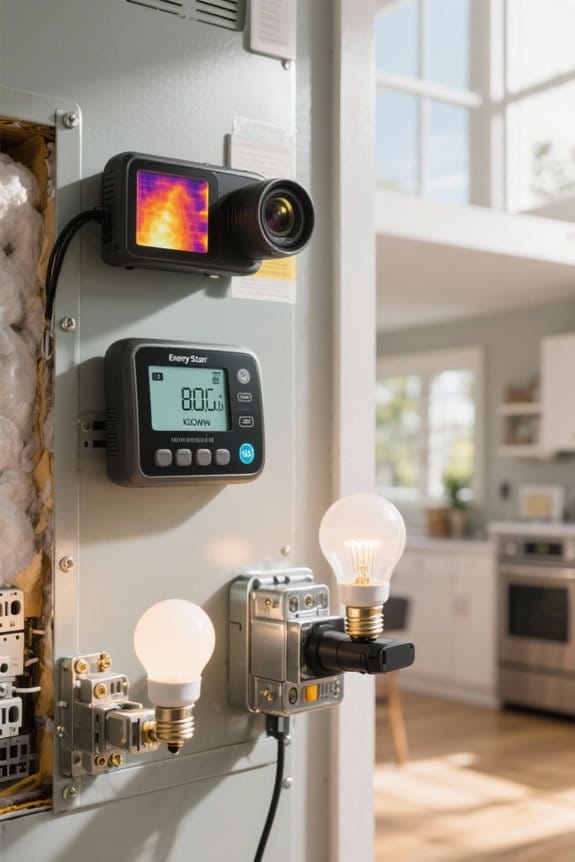
Prioritizing energy efficiency represents a significant step in optimizing home energy needs after evaluating current consumption patterns. Conducting an energy audit can reveal hidden inefficiencies, allowing homeowners to address specific areas for improvement. The U.S. Department of Energy suggests focusing on insulation, HVAC systems, and appliances to enhance overall energy performance. Simple upgrades, such as switching to LED lighting—which uses up to 75% less energy than traditional bulbs—can lower energy consumption substantially. Additionally, investing in energy-efficient appliances often leads to immediate savings on electricity bills. By improving energy efficiency, homeowners can decrease the size and cost of the required solar system, ultimately enhancing the financial benefits derived from solar energy. This proactive approach makes renewable energy more accessible and cost-effective. Installing Level 1/2 Portable EV Chargers can further optimize energy usage by providing flexibility and efficiency in charging electric vehicles, thus contributing to overall home energy efficiency.
Step 3: Plan for Future Energy Needs
When planning for future energy needs, it is essential to take into account various factors that may influence electricity consumption over time. Anticipating lifestyle changes, such as family additions or major renovations, can greatly affect energy usage. The inclusion of electric vehicles increases power demands, so it’s crucial to adjust your solar energy system accordingly. Planning for major appliances, like heat pumps or smart home systems, helps avoid costly system upgrades later by guaranteeing adequate capacity from the beginning. Efficient planning also involves incorporating net metering, which allows you to sell excess solar energy back to the grid, helping offset future electricity costs. For those adapting to an all-electric home, make sure your system can handle this shift effectively. High-efficiency solar panels can enhance your system’s performance, ensuring reliable energy generation to meet both present and future demands.
Step 4: Estimate the Right System Size
Estimating the right solar system size is essential for ensuring that a home’s energy needs are met efficiently. To begin, individuals must determine their average daily electricity use measured in kilowatt-hours (kWh) and divide it by the number of peak sun hours their location receives daily. For example, a home with a daily use of 30 kWh and 5 peak sun hours would require a 6 kW solar system. Each solar panel typically produces between 250 to 400 watts, which helps calculate the number of panels needed. Factors like panel efficiency, roof orientation, and shading can influence this final system size. Collaborating with qualified solar professionals is advised to customize the size for current and future energy needs, ensuring peak performance. Additionally, understanding the importance of efficient energy storage is crucial for maximizing the benefits of your solar system, as it ensures that excess energy can be stored and used during times when solar generation is low.
Investigate Your Home’s Solar Potential
How can homeowners effectively evaluate the solar potential of their property? First, they should determine the average sunlight exposure, as regions with abundant sunlight yield better energy production from solar panels. Utilizing mapping services or solar assessment tools helps analyze roof orientation and shading to gauge solar potential. Homeowners must consider the impact of shade trees or nearby structures, as even partial shading can greatly reduce energy output. Additionally, evaluating the roof’s condition and ensuring it can support solar installations for 25 years is essential. For a thorough evaluation, consulting certified solar installers can provide insights on local regulations and homeowner association restrictions that could affect energy usage and system installation. Homeowners can also explore high-performance panels (20-25% efficiency) to maximize energy production from their solar system.
Financing and Incentives for Solar Systems
Steering through the financial landscape of solar energy systems can be manageable with a clear understanding of available options. Homeowners can benefit from a 30% federal solar investment tax credit for installations completed between 2022 and 2032. This incentive considerably reduces upfront costs. However, solar leases and Power Purchase Agreements (PPAs) are not eligible for these tax credits. Local incentives, such as rebates or grants, further aid in lowering solar installation expenses. Utilizing the Database of State Incentives for Renewables and Efficiency (DSIRE) can provide valuable information on these offers. Engaging certified solar installers guarantees that homeowners maximize available financial opportunities while tailoring solutions to meet specific energy needs effectively. It’s essential to consider the flexibility and insulation properties of solar battery cables to ensure long-lasting performance in your solar setup. This planning is essential for a beneficial solar investment.
Frequently Asked Questions
What Is the Solar 120% Rule?
Like a well-tailored suit, the Solar 120% Rule guarantees residential solar systems are precisely sized to generate up to 120% of energy needs. This regulation supports financial analysis and energy efficiency while maximizing benefits of net metering incentives.
What Is the 33% Rule in Solar Panels?
The 33% rule in solar panels aims for homeowners to generate one-third of their energy consumption through optimized photovoltaic system performance, aiding in effective solar panel sizing, energy storage options, and aligning with renewable energy incentives.
How Do I Calculate How Much Solar I Need for My House?
To calculate solar needs, one must conduct energy consumption analysis, assess location impact, evaluate roof space, compare efficiency ratings, account for sunlight exposure, consider seasonal variations, and explore inverter capacity alongside energy storage options and utility rates.
Why Is My Electric Bill so High When I Have Solar Panels?
High electric bills despite solar panels may stem from inefficient energy usage, underperforming panel efficiency, or maintenance issues. Monitoring electricity costs, home appliances, and utilizing solar incentives may help avoid billing surprises and manage utility bills.