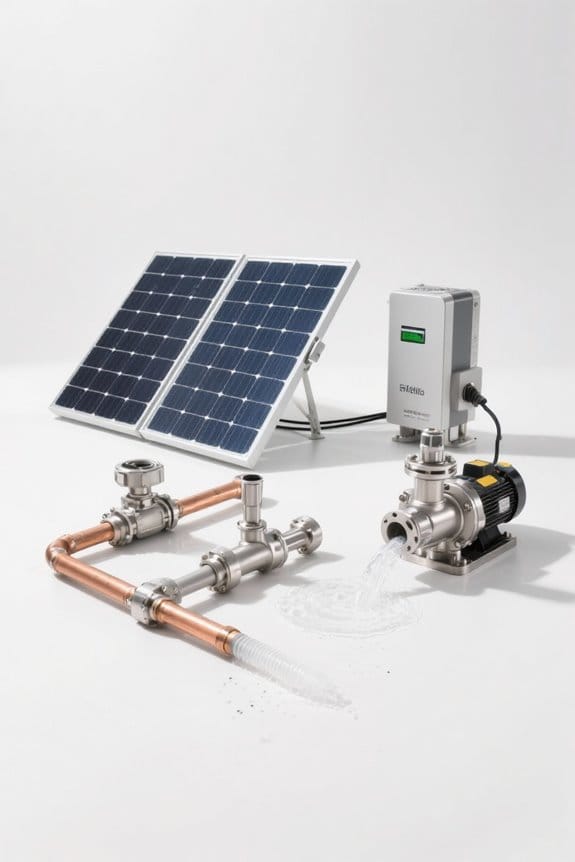
During the first year of solar ownership, homeowners should expect a structured journey. Month 1 includes installation and initial monitoring. In Month 2, tracking daily energy production becomes vital. By Month 3, owners must adapt to seasonal changes affecting energy output. Month 4 focuses on routine maintenance and system checks to guarantee efficiency. In Month 5, maximizing savings through net metering is essential. Finally, by Month 12, homeowners can review annual savings and impacts on property value, leading to further insights.
Key Takeaways
- Installation typically takes one day, but permit acquisition can take 90-120 days before solar production begins.
- Monitoring tools allow homeowners to track daily energy production and maximize savings through net metering.
- Seasonal changes, like reduced daylight in fall, may impact energy production, requiring attention to energy consumption.
- Regular maintenance, including debris inspection and occasional cleaning, is essential for optimal solar panel performance.
- At the end of the year, homeowners can expect significant savings and an increase in home value from solar installation.
Month 1: Installation and Initial Monitoring

How does the installation of a solar system unfold during the first month? The installation process generally completes in one day, but permit acquisition and inspections can prolong the timeline to 90-120 days. Once homeowners have their solar panels installed, they often gain access to monitoring tools. These tools enable real-time tracking of energy production and performance, helping homeowners understand the benefits of their solar system. During this initial month, homeowners will receive their first utility bill, which may still reflect standard electricity usage as energy production ramps up. Initial monitoring can reveal performance patterns, encouraging adjustments in energy consumption habits to maximize efficiency, especially on sunny days. Keeping solar panels clear of debris is essential for peak energy production. It’s important to consider versatile output options when selecting a solar panel power station to ensure you can charge multiple devices simultaneously.
Month 2: Understanding Your Energy Production

As homeowners enter the second month of solar ownership, they begin to grasp the reality of energy production from their newly installed solar panels. By utilizing monitoring tools, they can track output daily and identify patterns in their energy consumption. This insight enables homeowners to maximize energy offset, which is the reduction of utility bills achieved through solar energy use. During this period, many may notice a positive balance due to net metering, where excess energy generated and sent back to the grid earns credits. However, regular checks on the solar panels are essential; debris or shade can diminish production efficiency, leading to reduced energy output. Awareness of their habits helps optimize benefits and enhance overall solar performance. Investing in solar battery packs can further improve energy reliability by storing excess power for use during periods of low solar generation.
Month 3: Adapting to Seasonal Changes

With the arrival of fall, homeowners should prepare for the seasonal changes that impact solar energy production. As daylight decreases, energy production from solar systems typically declines, affecting overall efficiency. Sunlight is critical, so less daylight means more cautious energy consumption is necessary to maintain savings. Homeowners should actively monitor performance to assess how their systems adapt to these changes. Utilizing net metering can help mitigate the impact of lower energy production by allowing homeowners to earn credits for surplus energy sent back to the grid on clearer days. Reviewing estimated savings is essential, as energy generation varies throughout the year, ultimately balancing out. Understanding this cycle allows for better management of utility costs and energy consumption in the long run. A new sentence with corrosion-resistant aluminum frames and the rest of the sentence.
Month 4: Maintenance and System Checks
Maintaining solar energy systems is essential for ensuring peak performance as fall progresses. Homeowners should inspect their solar panels for debris or shading that may obstruct sunlight and negatively impact energy production. During this period, maintenance is minimal; rain often naturally cleans solar panels, although a garden hose can be used for additional cleaning if necessary. Utilizing monitoring tools that accompany the solar system allows individuals to track their energy production and confirm efficient operation. It is also advisable to perform regular system checks on vital components, including inverters and electrical connections, to detect any potential issues early. For enhanced cleaning, consider using solutions like Glass Gleam Solar to maintain optimal efficiency and shine, ensuring stubborn grime is effectively removed. These maintenance actions can lead to optimization, sustaining energy savings and enhancing overall performance throughout the year.
Month 5: Maximizing Savings Through Net Metering
How can homeowners effectively leverage net metering to maximize their solar savings? In the fifth month of solar ownership, homeowners should monitor their solar energy production and monthly solar energy consumption. Net metering enables them to earn credits for excess solar energy produced on sunny days, which can offset future utility bills. Typically, these credits are equal to the retail rate of electricity, making them quite valuable. By utilizing as much self-generated energy as possible, homeowners can reduce utility costs. Additionally, understanding state incentives related to net metering can enhance savings and improve the overall efficiency of their solar investment. This strategic approach to energy management is essential, especially during lower production months. Moreover, integrating a Battery Energy Storage System can further optimize solar energy usage by storing surplus power and ensuring energy availability during peak demand times.
Month 6: Evaluating Performance Data
Evaluating performance data is a critical aspect of solar ownership that informs homeowners about the effectiveness of their investment. By month six, they should begin using solar monitoring tools to review the amount of energy generated compared to initial projections. This data should be compared with recent utility bills to determine how much solar energy is offsetting electricity costs, thereby verifying savings claims. Homeowners may notice seasonal variations impacting energy production, especially if this month falls in fall or winter. It’s important to check for any decline in production efficiency, as this might indicate shading issues or debris on the solar panels. Analyzing performance data can reveal insights into optimizing energy consumption patterns and maintaining system functionality. Regular maintenance tips for solar panels are essential to ensure optimal efficiency and longevity.
Month 12: Reviewing Annual Savings and Home Value Impact
As the first year of solar ownership concludes, homeowners gain valuable insights into their financial savings and the impact on their property value. They can expect annual savings between $1,200 and $2,400, reflecting reduced energy costs from solar installations that offset 70-90% of electricity usage. This results in predictable utility expenses, allowing residents to plan their finances more effectively. Additionally, solar panels can lead to a property value increase of approximately 4.1%, contributing an average of $12,300 to a $300,000 home. Homeowners should also evaluate system efficiency and explore potential enhancements. Many solar panels are equipped with MPPT Technology, which boosts energy capture efficiency and extends battery life. This annual review guarantees ongoing financial benefits, including the prospect of free electricity after the payback period of five to eight years, confirming the value of their investment.
Frequently Asked Questions
What Is the 33% Rule in Solar Panels?
The 33% Rule indicates that solar efficiency in the first year yields about one-third of annual energy output. Factors like panel degradation, inverter types, and financing options affect performance, alongside government incentives and maintenance requirements.
Why Is My Electric Bill so High if I Have Solar Panels?
Despite solar panels, high electric bill surprises often stem from energy efficiency upgrades being overlooked, grid connection issues, and common misconceptions about usage patterns. Monthly savings breakdowns clarify that peak sunlight hours may not cover all needs.
How Long Does It Take for the Typical Solar Home to Payback the Home Owners?
Typical solar investments return within 5 to 8 years, influenced by energy cost savings, state tax credits, financing options, utility incentive programs, and net metering benefits. Maintenance and repairs also factor in solar efficiency and lifespan.
Why Are People Getting Rid of Their Solar Panels?
People remove solar panels due to poor efficiency, high maintenance costs, inadequate energy surplus, costly inverter replacements, concerns over property value, lease agreements complications, local regulations, insurance coverage issues, and shifts in environmental impact perceptions.