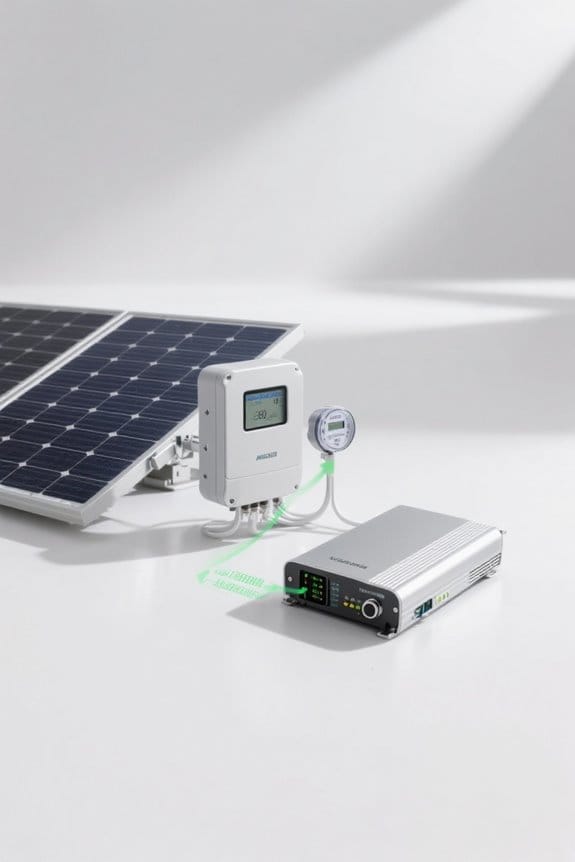

Net metering is a system that allows owners of grid-connected solar panels to receive credits for the extra electricity they generate and send back to the grid. When solar panels produce more energy than a home uses, the electric meter runs backward, effectively spinning back the electricity count. Customers are billed for the net energy consumed—total energy used minus energy produced. This process encourages renewable energy use and can lower overall electricity costs, among other benefits that will be explored further.
Key Takeaways
- Net metering allows solar system owners to earn credits for excess electricity fed back into the grid, reducing overall energy costs.
- When solar panels produce more energy than consumed, the electric meter runs backward, counting the surplus energy provided to the grid.
- Customers are billed for the net energy consumed, which is total usage minus the energy produced by their solar systems.
- Accumulated credits can roll over into future billing cycles, allowing credits to offset costs during higher energy demand periods.
- Utilities may have different net metering policies, affecting credit values and regulations across regions.
What Is Net Metering?
Net metering serves as a useful billing mechanism for solar energy system owners, allowing them to receive credits for any excess electricity generated and sent back to the electrical grid. With this system, when a solar panel produces more electricity than a home consumes, the electric meter runs backward. This reversal creates credits that offset future energy use during periods of higher consumption. Customers are only billed for net energy consumed, which is the total energy used minus the energy produced by their solar systems. Often, credits for excess energy can roll over to future billing cycles, yielding potential long-term savings. While net metering is widely adopted, specific details like credit values may differ depending on the utility company and region. New advances in solar technology, such as high-efficiency solar panels, can further enhance energy savings by maximizing the amount of electricity produced.
How Does Net Metering Work?

Understanding how the net metering system functions is essential for homeowners considering solar energy. Net metering is a billing mechanism allowing homeowners with solar panels to earn credits when their systems produce excess electricity. When this electricity is sent back to the grid, it effectively runs their meter backward. This surplus is credited to the homeowner’s account, offsetting future energy bills during higher usage periods. Each month, the electric bill reflects the net energy consumed, calculated by subtracting the credits earned from the total energy drawn from the grid. In many areas, accumulated credits can roll over, accommodating seasonal variations in production. However, not all states or utility customers have access to net energy metering, with differing terms and credit structures. Lithium-based energy storage systems are often preferred for solar installations due to their high efficiency and longer lifespan, further optimizing the benefits of net metering.
Benefits of Net Metering
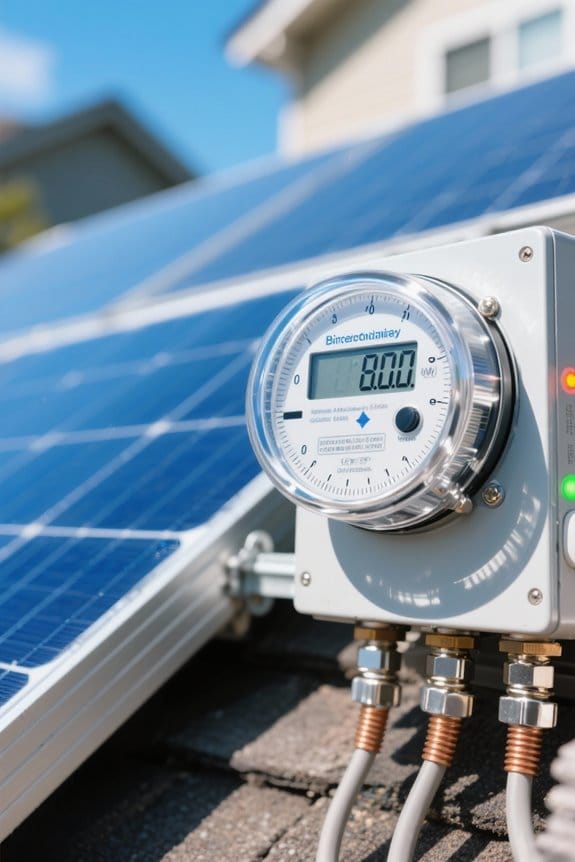
While exploring energy-saving options, many homeowners find that the benefits of net metering are substantial and can lead to significant financial savings. Net metering allows users to save on their electricity bill by only charging for energy used beyond what their solar energy system produces. Homeowners earn net metering credits for excess energy produced, especially during sunny days, which can offset future energy needs. Depending on utility rules, these credits can roll over, providing flexibility in managing costs. In addition, the widespread adoption of solar panels fosters renewable energy initiatives, creating jobs and stimulating investment. Options like virtual net metering expand these benefits, allowing multiple customers to share solar energy credits, driving community interest in the benefits of solar energy. Solar panels, like those with MPPT Technology, can enhance energy capture efficiency, making net metering even more advantageous.
Drawbacks of Net Metering
The advantages of net metering can be compelling for many homeowners, but there are also significant drawbacks to contemplate. Importantly, net metering is not universally available; states like South Dakota, Tennessee, and Alabama lack these programs, limiting options for potential solar customers. Additionally, while homeowners can accumulate credits for excess energy, these credits often do not translate into cash payments. During peak hours, the credits may fall short, leading to financial limitations. Homeowners must maintain a grid connection, which excludes off-grid panel systems. Furthermore, policies on credit expiration vary among utility providers, with some states imposing limits on how long credits remain valid, potentially resulting in lost savings due to regulatory constraints and changing compensation rates. A crucial factor in choosing solar battery backup systems is the fast recharge times that ensure energy availability during emergencies.
Alternatives to Net Metering
How can homeowners benefit from alternatives to net metering? Options like Buy All/Sell All allow homeowners to buy all their power at retail rates while selling excess energy back at wholesale rates. This model changes the compensation structure. Net billing offers credits for energy produced at the retail rate for future utility bills, rather than rolling over directly. Solar self-consumption encourages homeowners to use generated electricity for personal needs, enhancing energy independence. Virtual net metering allows multiple users to benefit from a shared solar system, providing credits for energy produced, regardless of individual installations. These alternatives comply with various net metering rules and can be influenced by state incentives for renewables, shifting the dynamics of distributed generation. High-capacity solar chargers can enhance solar self-consumption by providing homeowners with the ability to store and use solar energy directly, reducing reliance on the grid.
Giving Customers Control Over Their Electricity Bills
Empowering homeowners to take charge of their electricity bills begins with understanding net metering. This system allows customers to use solar panels to generate their own electricity, greatly decreasing their need for energy from utility providers. When homeowners produce more electricity than they need, they can send the excess back to the grid, earning bill credits during the billing period. These credits offset future energy use, effectively lowering total monthly expenses. With net metering policies in place, solar electricity becomes a strategic asset, particularly during peak demand periods. As homeowners harness the power of the sun, they gain greater control over their energy costs, enjoying financial relief through reduced bills and enhanced energy independence. By incorporating energy storage systems, homeowners can optimize the use of renewable resources and maximize self-consumption, further reducing reliance on traditional energy sources.
Creating Jobs & Encouraging Private Investment
Job creation and economic growth are significant benefits associated with net metering policies in solar energy. The solar industry currently employs over 230,000 workers in the United States, exemplifying the job growth linked to these policies. Strong net metering frameworks have accelerated the demand for solar installations, fostering private investment in renewable energy. Each megawatt of solar energy deployed can create approximately 5-7 jobs, illustrating the direct correlation between net metering incentives and employment opportunities. As municipalities adopt these frameworks, they stimulate economic activity, encouraging utilities to expand their renewable offerings. This shift not only provides valuable employment but also promotes sustainable energy solutions, enhancing local economies and contributing to broader energy goals. Additionally, the growing adoption of solar technologies, such as LiFePO4 batteries, ensures longer battery life cycles and improved efficiency, further supporting the sustainable development of renewable energy infrastructures.
Protecting the Electric Grid
Net metering plays an essential role in protecting the electric grid by enhancing the integration of renewable energy sources. By allowing solar panel systems to feed energy back into the grid, net metering helps balance electricity supply and demand. This arrangement encourages energy generation near consumption points, effectively reducing strain on distribution systems. Additionally, periods of high demand often coincide with peak solar production, further alleviating pressure on the traditional electric grid. Studies indicate that installing solar systems contributes positively to local economies, while also helping utilities manage peak loads more efficiently. Mandatory net metering regulations support these benefits by establishing clear billing practices, ensuring a stable and reliable electricity system supported by renewable energy resources. Moreover, utilizing short circuit protection devices is crucial for maintaining the safety and functionality of solar systems, as they prevent potential electrical faults that could disrupt grid stability.
Solar Access Rights
Solar access rights are vital for homeowners looking to utilize solar energy effectively. These rights allow property owners to negotiate for unobstructed sunlight, which is important for the operation of solar panel installations. In many areas, solar access laws limit private restrictions and homeowners’ association (HOA) rules that may impede renewable energy use. Property owners can establish solar easements, which legally protect their rights to sunlight, facilitating improved solar energy production. The Solar Energy Industries Association (SEIA) advocates for robust protections of solar access rights nationwide. By understanding and securing these rights, homeowners can guarantee their solar technology works efficiently, maximizing both energy output and investment potential in renewable energy systems. Additionally, high-efficiency solar panels, such as those with 25% efficiency, can further enhance energy production capabilities when sunlight access is optimized.
Frequently Asked Questions
What Is Net Metering in an On-Grid Solar System?
Net metering in an on-grid solar system facilitates energy consumption tracking, allowing homeowners to earn solar credits for excess energy. This system promotes renewable energy advocacy, enhances residential solar adoption, and aligns with utility company policies on billing cycle timing.
What Is the 33% Rule in Solar Panels?
The 33% Rule dictates that solar installations should not exceed 33% of a building’s energy load. This maximizes solar efficiency, promotes grid reliability, and enhances benefits from solar incentives, including tax credits and favorable electricity rates.
Why Are People Against Net Metering?
In a hypothetical town, residents debate net metering disadvantages, as utility companies argue it shifts consumer costs and hampers grid stability, igniting policy debates over solar incentives, environmental impact, and market competition amid local regulations.
Why Is My Electric Bill so High When I Have Solar Panels?
High electric bills despite solar panels may arise from insufficient solar efficiency, installation issues, energy usage exceeding production, utility costs, unaccounted maintenance expenses, billing rates, grid limitations, and ineffective incentive programs impacting potential solar savings.